Embarkation day should not be planned to the minute
Flights can arrive late and baggage can take time. If a cruise departs the same day as the flight arrives, build a meaningful buffer and check the cruise line’s required boarding cutoff. Many travellers prefer to arrive in Vancouver the day before sailing.
Disembarkation timing is variable
Passengers do not all leave a ship at the same moment. Customs, baggage retrieval and the cruise line’s disembarkation process affect when the group is actually ready. Give the transportation company the ship name and realistic pickup window.
Vehicle choice is driven by cruise luggage
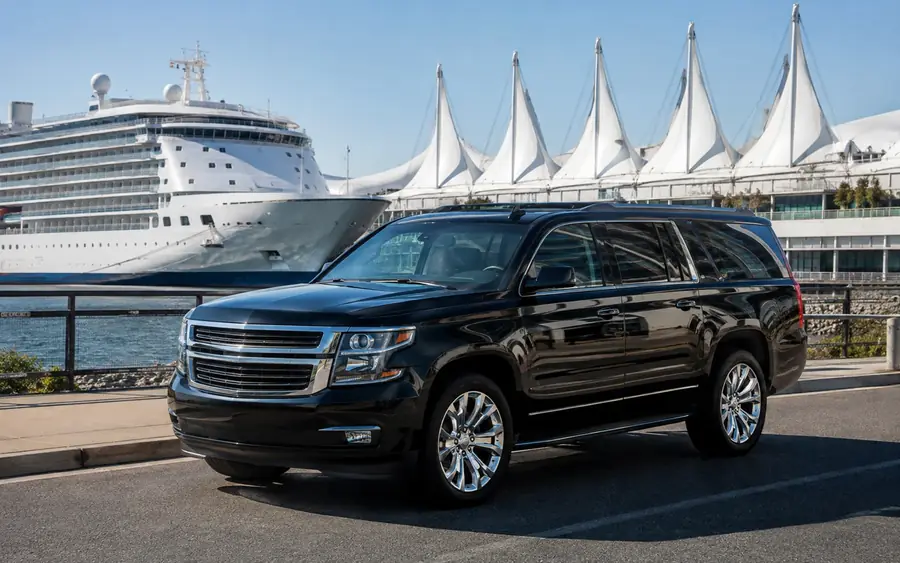
Cruise passengers frequently travel with larger suitcases. A party that would fit comfortably in a sedan for a dinner transfer may need an SUV or Sprinter for Canada Place to YVR. For a dedicated commercial option, see Vancouver cruise transportation.
Embarkation and disembarkation are different trips
A transfer to a departing cruise ship is controlled by the passenger's cruise check-in requirements. A pickup after a cruise is less predictable because passengers leave the ship in waves and must collect luggage before they are ready for ground transportation. Those differences should be reflected in the pickup plan rather than using the same timing logic in both directions.
Same-day airport connections deserve extra margin
When a cruise arrival is followed by a flight from YVR, the ground transfer is only one part of the timeline. Disembarkation, terminal congestion, city traffic and airline check-in all need room. Travellers with an early flight should confirm that the planned schedule is realistic before relying on a private transfer to make the connection.
Group luggage changes curbside handling
Cruise passengers often carry more luggage than business travellers. A group that fits comfortably into a vehicle by seat count may not fit by baggage volume. Count full-size cases, carry-ons, mobility equipment and any unusually large items before selecting a sedan, SUV or van.
When you are ready to compare a provider
After the route, timing and vehicle requirements are clear, you can Vancouver cruise transfer service. Compare the provider’s current availability, complete quoted price, vehicle details and terms against the planning points in this guide before booking.