Venue loading requires coordination
The Vancouver Convention Centre identifies passenger loading areas and requires advance planning for planned shuttle operations. Its operating guidelines ask event organizers to provide the number and types of vehicles, passenger counts, schedules and transportation-company contact details.
Group movements need staging
A 200-person arrival is not simply twenty separate ten-person bookings. Determine the passenger waves, hotel locations, registration times, luggage requirements and vehicle staging plan. A transportation coordinator can keep arrivals organized and prevent several vehicles from reaching the same curb at once.
VIP transportation can run separately
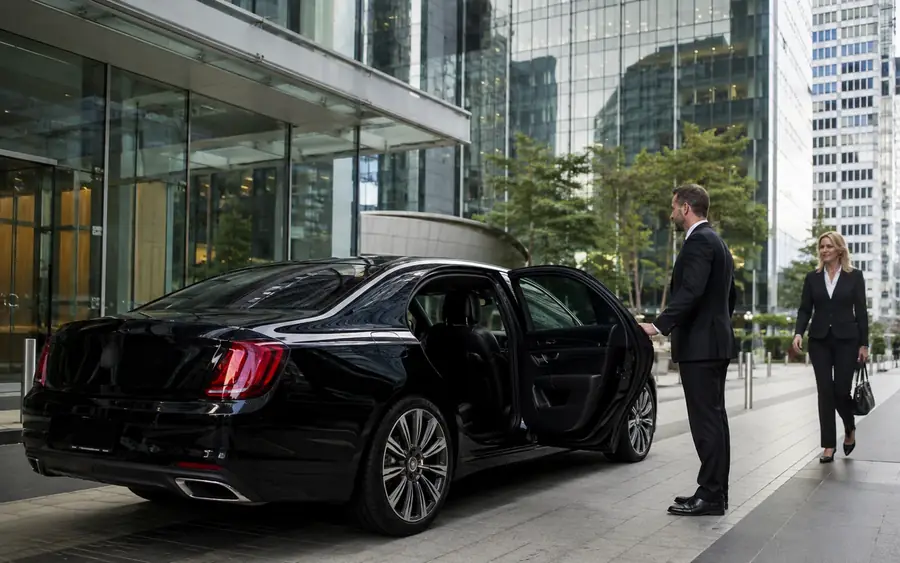
Executives, speakers and sponsors often have schedules that do not match the main attendee shuttle. Keep VIP movements as a separate workstream with direct contact details and flexible vehicles.
Large events need dispatch planning, not only vehicles
Conference transportation becomes more complex when several vehicles arrive within the same short window. Staging, loading order, passenger identification and communication with event staff can matter as much as vehicle type. Assigning a transportation coordinator can reduce confusion for larger groups.
Hotels create multiple pickup patterns
Delegates may be distributed across several downtown hotels. A series of scheduled hotel pickups can be more efficient than asking every passenger to arrange an individual ride. The plan should identify which hotels are grouped together, how much dwell time is allowed and who can authorize last-minute changes.
VIP movements should be separated from general shuttles
Executives, speakers and hosted guests may need different timing from the main attendee group. Separate vehicles allow those passengers to leave on their own schedule without delaying a larger shuttle movement. The event team should decide which guests require dedicated transportation before finalizing vehicle counts.